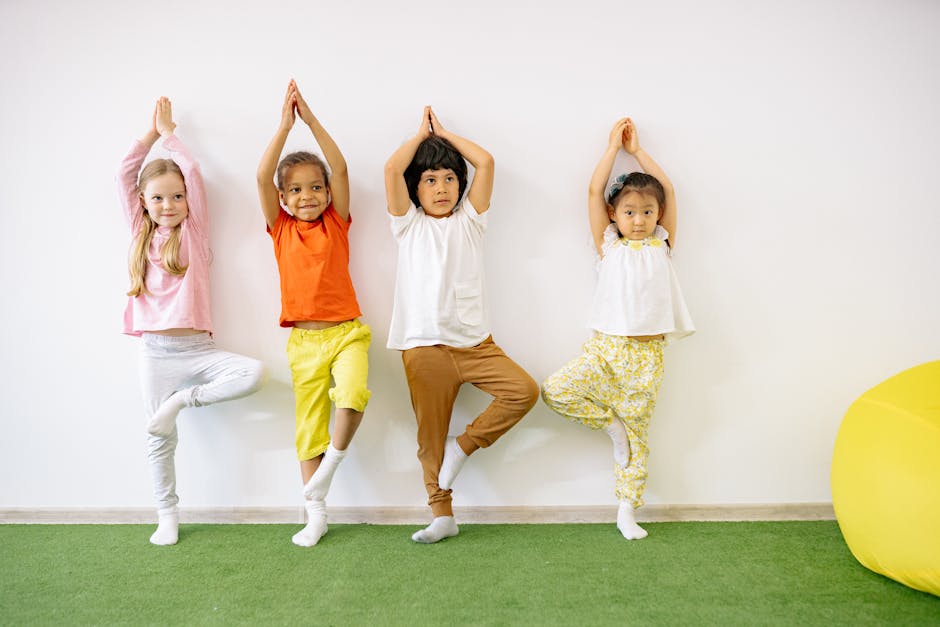
Key Takeaways
- Mindful learning activities can help students regulate emotions and manage struggles in the classroom.
- Schools are increasingly recognizing the importance of integrating mindfulness into their curriculum.
- Mindfulness can have a powerful effect on settling students' nervous systems and promoting social connection and learning.
The Impact of Mindful Learning Activities
In today's fast-paced and high-stress world, the importance of mindfulness in education is becoming increasingly recognized. Mindful learning activities can help students regulate their emotions, manage struggles, and improve their overall well-being. By incorporating mindfulness practices into the classroom, educators can create a supportive environment that fosters emotional intelligence and resilience.
Addressing Childhood Trauma and Mental Health
One of the biggest challenges facing educators today is addressing the impact of childhood trauma and mental health issues on student learning. Studies have shown that a significant number of children in the U.S. have experienced serious childhood trauma, which can have long-lasting effects on their emotional well-being. By integrating mindfulness into the curriculum, schools can provide students with tools to cope with stress, anxiety, and other difficult emotions.
The Role of Mindfulness in Social Connection
When students are able to regulate their emotions and manage stress effectively, they are better able to connect with their peers and engage in learning. Mindfulness practices help students develop self-awareness, empathy, and compassion, which are essential skills for building positive relationships and fostering a sense of community in the classroom. By promoting social connection, mindfulness can create a supportive and inclusive learning environment for all students.
The Future of Mindful Learning in Education
As schools continue to prioritize the well-being and mental health of their students, the integration of mindfulness into the curriculum is likely to become more widespread. Educators are recognizing the positive impact that mindful learning activities can have on student outcomes, both academically and emotionally. By providing students with the tools to navigate challenges and build resilience, schools can empower them to succeed in school and beyond.