
Parents often consider foam play mats as safe havens for their toddlers, allowing them to explore freely without the fear of getting hurt. However, a recent study by the Consumer Council unveiled concerning findings about the safety of children’s foam play mats. Out of the 20 models tested, 30% exhibited small parts coming off during tension tests, increasing the risk of accidental swallowing and suffocation in young children.

Aside from structural safety, the presence of harmful chemical substances is another critical factor to consider when purchasing play mats. The Council’s investigation revealed that formamide, a reproductive toxic substance, was detected in 75% of the models tested. Shockingly, 6 models exceeded the upper limit set by the EU directive, with one model surpassing the limit by a staggering 9 times. This poses significant health risks to children who come into contact with these mats.

The foam play mats purchased by the Council varied in types and materials, with some labeled as ethylene-vinyl acetate (EVA), polyethylene (PE), or a combination of materials. Notably, during torque and tension tests, 6 models, including puzzle mats and roll mats, failed to meet the European safety standard, as small components detached easily, posing a hazard to young children under the age of 3.

Formamide, commonly used in the manufacturing of foam materials, can be harmful upon prolonged exposure, particularly to unborn fetuses. While the EU restricts formamide content in children’s products, Hong Kong lacks similar regulations. The Council recommends that local authorities consider implementing restrictions on formamide content in children’s play mats to safeguard children’s health.

Another concerning finding from the study was the presence of polycyclic aromatic hydrocarbons (PAHs) in some models, which are known to have adverse effects on the respiratory tract and skin. While the levels detected were within permissible limits, the Council emphasizes the importance of monitoring and regulating the presence of such harmful chemicals in children’s products.

When purchasing and maintaining play mats, parents should pay attention to the differences in types and materials to ensure the safety of their children. Regular cleaning and proper maintenance are essential to prevent contamination and damage to the mats. Manufacturers are urged to provide clear cleaning instructions to consumers to avoid mishaps due to incorrect cleaning methods.
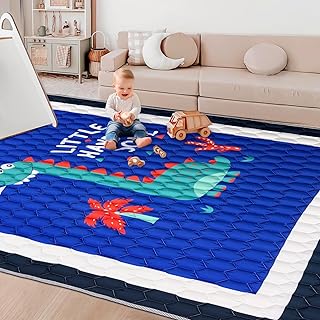
Overall, the study underscores the need for stringent safety regulations and standards in the manufacturing of children’s foam play mats to protect the well-being of young users. Parents are advised to exercise caution when selecting play mats for their children and to follow recommended maintenance practices to ensure a safe play environment.
📰 Related Articles
- Shein Children’s Clothing Controversy Sparks Safety Concerns
- Rugby Legend Ian Roberts Reveals Epilepsy Diagnosis Amid Safety Concerns
- Flammable Children’s Nightwear Raises Safety Concerns in Australia
- FDA Warns Against Unapproved Mousse Sunscreens, Consumer Safety Concerns
- Zimbabwe Study Reveals High Uptake of Menstrual Health Services